
Bipartisan alarm on housing costs: While Congress often finds itself divided, there’s a rare level of agreement emerging on one issue: Housing affordability is spiraling out of control. This growing consensus is great news … even if there isn’t yet unanimity on solutions.
In February, two key House panels conducted back-to-back hearings focusing on pivotal aspects of housing finance, including affordability barriers and the secondary mortgage market.
Recognizing your busy schedule, Capital Commentary distills these 250 pages of congressional transcripts into digestible insights.
1. Big Thing: “Don’t Touch the Plumbing”
Source: AxiosHQ
Walk, don’t run to reform GSEs: The Housing and Insurance Subcommittee dove into the $15 trillion secondary mortgage market during a hearing in mid-February, with U.S. Rep. Mike Flood, R-Nebraska — the panel’s chairman — emphasizing that “Today’s discussion is free of legislative constraints — by design.”
Translation: We’re learning, not legislating.
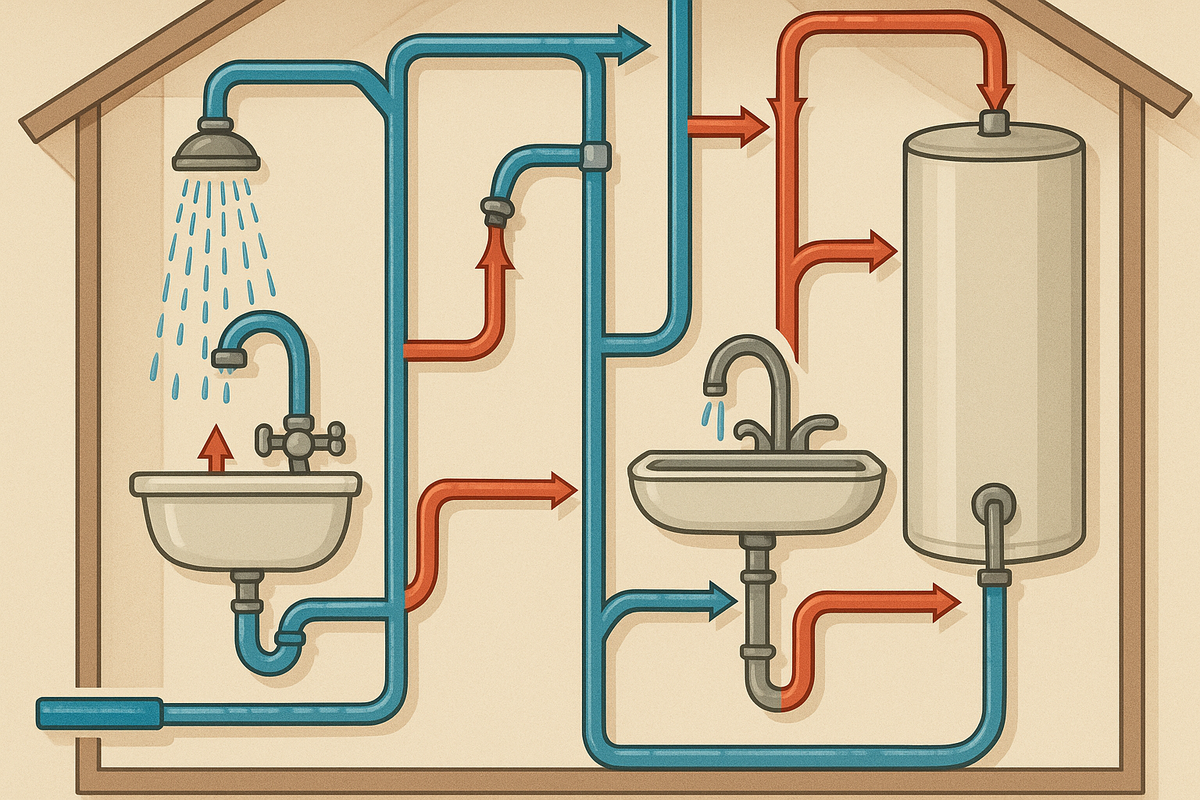
The setup: Fannie Mae and Freddie Mac have been in government conservatorship for 18 years, but Flood wanted members to understand the plumbing before attempting repairs.
Today’s healthy infrastructure:
“The secondary mortgage market is sort of like plumbing and electric wiring behind the wall. Since 2008, the lights are on and the plumbing works.” — Michael Bright, CEO, Structured Finance Association (SFA).
Why it matters: The U.S. boasts something virtually no other country offers at scale — the 30-year fixed-rate mortgage.
- Mortgage Bankers Association (MBA) President and CEO Bob Broeksmit drove the point home: “I don’t think many people understand what a rarity it is to have 30-year fixed-rate, pre-payable mortgages available in all parts of the country through all economic cycles.”
Housing industry leaders suggested it was not time for an overhaul of the GSEs.
What they’re saying:
“We need to be careful about how we tinker with it, given the incredible importance of that feature to our economy.” — Broeksmit, MBA.
“The Enterprises cannot responsibly exit conservatorship without substantial capital buffers.” — Ed DeMarco, CEO, Housing Policy Council.
Both sides agree: Democrats also warned against disruption during a housing crisis. Ranking Member Emanuel Cleaver, D-Missouri, emphasized that “any transition out of conservatorship could have broad implications of liquidity, risk distribution and housing affordability.”
Sharon Cornelissen of the Consumer Federation of America put it bluntly: Ending conservatorship without a plan “would mean the end of the 30-year mortgage as we know it.”
The bottom line: Everyone loves the 30-year mortgage. Nobody can agree whether fixing the plumbing is worth risking a flood.
2. “I’ll Take Fannie and Freddie for $1 Trillion, Alex”
Source: AxiosHQ
House Financial Services Committee Chair French Hill, R-Arkansas, had some fun turning the hearing into “Fannie and Freddie Jeopardy,” in an exchange with the SFA’s Bright, systematically dismantling the notion that the mortgage giants could go public anytime soon.
Hill, who represents Arkansas’ 2nd District, walked Bright through a GSE reality check: Fannie Mae and Freddie Mac are public companies trading over the counter, but they’re undercapitalized by about $200 billion against federal requirements.
Watch Fannie and Freddie Jeopardy
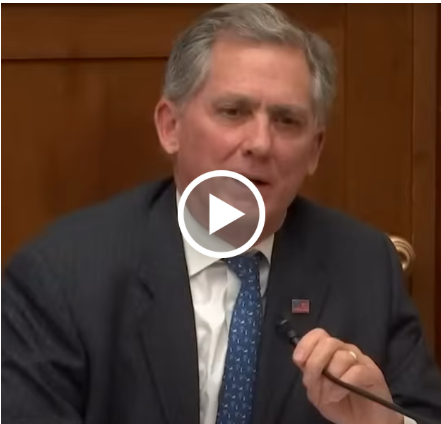
House Financial Services Committee Chairman French Hill, R-Ark., asks SFA’s Bright to play $1 Trillion Jeopardy with him during the hearing (5-minute video).
The kicker: The world’s largest IPO — Saudi Aramco — raised just $26 billion in 2019. “It’s a big number, but it’s not $200 billion,” Hill noted.
Why it matters: After 18 years in government conservatorship, the path to releasing Fannie and Freddie remains tangled in unresolved questions about U.S. Treasury Department settlements, expiring 2028 warrants and congressional oversight of their missions.
Hill also punctured trial-balloon ideas being floated on social media, like 50-year mortgages. While not opposed if the private sector wants them, Bright acknowledged they’d need “hundreds” of billions of dollars in volume before becoming liquid enough for secondary markets — and portable mortgages would violate existing contracts.
The bottom line: Hill used the hearing to reset expectations, emphasizing that concrete housing affordability solutions matter more than GSE restructuring fantasies.
3. Who Killed Affordable Housing?

Source: AxiosHQ
If the American Dream had a Zillow listing, it might read: “Charming concept. Recently renovated. Now out of reach.”
Why it matters: A recent House Financial Services Committee hearing exposed deep partisan divides over America’s housing crisis — and who’s to blame for millions being priced out.
- Despite political differences, all sides agree that the housing affordability problem is serious and will be tough to solve.
What they’re saying: Hill blamed “reckless spending and inflation reaching 40-year highs” for crushing affordability, even as the economy rebounds.
- He pitched the Housing for the 21st Century Act and Main Street Capital Access Act as solutions to “restore affordability [and] expand opportunity.”
The counterpunch: Ranking Member Maxine Waters, D-California, fired back, targeting President Trump’s tariffs for driving up rents and construction costs.
- “He floats absurd ideas like a 50-year mortgage that would trap families in debt while doing nothing to lower costs,” Waters said.
What witnesses said:
Brian Brooks, CEO of Meridian Capital Group: The U.S. is “about 5 million units short” of housing. He blames the inventory deficit on rent control and zoning restrictions in cities like Los Angeles and New York.
- His fix: Use federal funds to pressure localities into easing permitting and recalibrate Dodd-Frank rules that “disincentivize mortgage lending.”
Stephen Moore, an internationally known economist who heads Unleash Prosperity, says real median income is up $2,400 over the past year, but beware of 2008-style mistakes.
- “You don’t do anyone a favor by putting them in a home that they can’t afford,” he said while warning against lower down payments.
Darrick Hamilton, the AFL-CIO’s Chief Economist, called the crisis a product of “policies that prioritize speculation and profit over productive investment.”
- He urged public investment, labor protections and expanded capital access.
The bottom line: Everyone agrees housing is squeezing families. The fight is over whether deregulation or federal investment — or both — can fix it.
Engage with Capital Commentary

Share your thoughts: We invite you to click here and share your insights on this issue.
Explore Arch MI Insights: Want to dive deeper? Click here to access past issues and listen to previous episodes of the Arch MI PolicyCast podcast.
4. We Get Letters …
Reader Reflections: At Capital Commentary, we value the insightful feedback from our readers.
- In 2026, we plan to showcase your thoughts periodically. Here are two standout comments we received from our latest issue:
🔍 Jason Schwarzel, EVP for 1st Financial in Millersville, Maryland, highlights the hurdles first-time homebuyers face:
- “Buyers are struggling with down payments and closing costs. We can’t offer lender credits without risking their qualification on the debt-to-income ratio. The ripple effect of increased credit card and installment debt is profound, impacting affordability for middle- to lower-income buyers and triggering higher default rates,” he explains.
- Jason concludes, “We need a middle ground on affordability — politically and economically.”
🏠 Ron Kiuttu, Vice President of Finance for Members Mortgage Services in Hutchinson, Kansas, questions the impact of builder discounts on existing home sales.
- “These builder discounts make it challenging for existing homes to compete.
- “Sellers might opt to improve their current homes if they have favorable interest rates. If new homes are the goal, does this mean conceding to a lower price on the existing home?” he wonders.

About Arch MI’s Capital Commentary
Capital Commentary newsletter reports on the public policy issues shaping the housing industry’s future. Each issue presents insights from a team led by Kirk Willison.
About Arch MI’s PolicyCast
PolicyCast — a video podcast series hosted by Kirk Willison — enables mortgage professionals to keep on top of the issues shaping the future of housing and the new policy initiatives under consideration in Washington, D.C., the state capitals and the financial markets.
Stay Updated
Sign up to receive notifications of new Arch MI PolicyCast videos and Capital Commentary newsletters.